Omaha and nearby communities service guide
Debris Removal in Omaha
A clean, usable space often starts with one practical decision: choosing a removal plan that fits the property, the material, and the time available. Debris Removal in Omaha gives homeowners, landlords, and local businesses a clear way to move unwanted items out without turning a simple project into a week-long disruption.
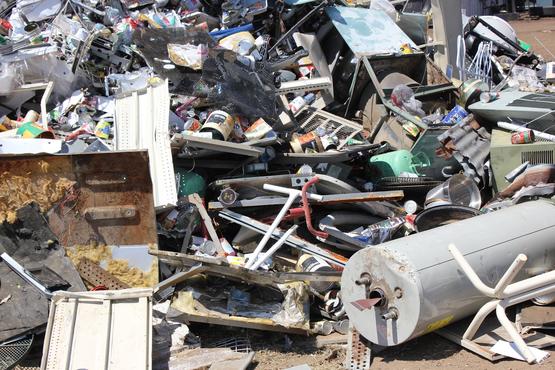
Planning Debris Removal in Omaha in Omaha and nearby communities
This service is useful for construction debris cleanup when items are too bulky for a personal vehicle, unsuitable for a regular curbside bin, or simply too numerous to manage alone. The crew can review the load, separate obvious material groups, and choose a practical order for carrying everything out. That approach is especially helpful in Omaha and nearby communities, where homes and commercial spaces can have very different access conditions.
A typical construction debris cleanup visit may include loose household items, larger pieces, boxed material, and sorted loads waiting in a garage or side yard. The exact scope is confirmed before work begins, so customers know what will be handled and what preparation is useful. On any removal job, clear expectations help prevent surprises and keep the property protected from avoidable scrapes or clutter.
- A scope review tailored to the job, with attention to construction debris cleanup
- An access route planned for the job in Omaha and nearby communities.
- Careful handling of bulky or awkward material during the job.
- Sorting guidance for reusable, recyclable, and final-disposal items.
- A final walk-through after the loading area is cleared.
A practical construction debris cleanup process
A few minutes of preparation makes the job more predictable. Mark fragile furniture, identify narrow doorways, move vehicles that block the loading route, and mention stairs or low ceilings when requesting a quote. If weather is poor, protect items that should remain dry and choose a safe staging spot near the entrance.
- Describe the project: Share the type and approximate volume of material you want removed. This keeps the visit focused from the start.
- Prepare the route: For the job, keep the path from the storage area to the vehicle open and point out property details.
- Load with care: During the job, the crew works through the agreed scope in an order that suits the space and material.
- Review the result: After the job, check the cleared area and confirm that the remaining items are where you want them.
Why customers choose this service
A well-managed removal should feel simple from the customer’s side: agree on the scope, confirm access, let the crew do the heavy work, and walk through the cleared area at the end. On any removal job, that final walkthrough is a useful moment to check corners, shelves, floors, and the route used for loading.
The finished result should be more than an empty pile. It should be a room, driveway, office, or work zone that can be used again. Once the space is clear, customers in Omaha and nearby communities can plan the next step with less clutter, better visibility, and a clear understanding of what was removed and where the remaining items belong.
Clearing Storm, Yard and Teardown Debris
Debris is a broad word. After a spring storm in Omaha it means downed limbs and shredded fence panels. After a shed teardown it means rotten plywood, shingles and rusted hardware. After a yard overhaul it means sod, landscape timbers and old edging. Each one loads differently.
Branches and brush are bulky but light, so they fill truck space before they reach any weight limit. Cutting long limbs into manageable lengths saves a lot of room. We haul cut wood and brush; if a tree is still standing or hanging over the house, that is a job for a tree service with climbing and felling equipment, not a junk crew.
Fencing and small structures come with nails, screws and concrete footings. Posts set in concrete are heavy and should be mentioned so we can plan for them.
- Keep yard waste separate from trash and building scraps if you can; different material goes to different places.
- Flag any glass, metal roofing or sharp edges hiding in a pile.
- Let us know if debris is in the back yard behind a narrow gate or down a slope.
Soil, rock and broken concrete are very heavy for their size, so a small-looking pile can be a full load. Clear photos with something for scale, such as a person or a trash can, help us estimate accurately before the truck is sent.
Ready to discuss your project? Request a clear estimate for the work and access conditions.
For a project in Omaha and nearby communities, call (402) 555-0147 or use the contact page to share the project details.