Omaha metro area service guide
Demolition
Every removal project has its own rhythm. The volume may be modest, access may be tight, or several rooms may need attention at once. This guide to Demolition explains how a focused crew can organize the work, protect the property, and leave the space ready for its next purpose.
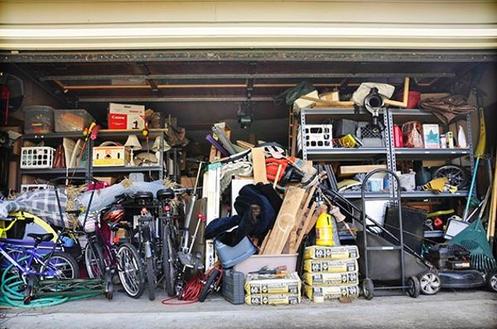
A practical construction debris cleanup process for Demolition
The value of the job is not limited to transportation. It also includes planning the route through the property, identifying fragile surfaces, keeping usable items separate from damaged material, and checking the final area before departure. Customers in the Omaha metro area can use the same service for a single difficult item or a broader cleanup that needs several coordinated loads.
This service is useful for construction debris cleanup when items are too bulky for a personal vehicle, unsuitable for a regular curbside bin, or simply too numerous to manage alone. The crew can review the load, separate obvious material groups, and choose a practical order for carrying everything out. That approach is especially helpful in the Omaha metro area, where homes and commercial spaces can have very different access conditions.
- A scope review tailored to the job, with attention to construction debris cleanup
- An access route planned for the job in the Omaha metro area.
- Careful handling of bulky or awkward material during the job.
- Sorting guidance for reusable, recyclable, and final-disposal items.
- A final walk-through after the loading area is cleared.
Why customers choose this service
Before the appointment, place small loose items into sturdy boxes or bags, remove personal papers, and point out anything that must stay. If the work area is inside a building, unlock gates and keep a clear path from the material to the loading point. These small steps let the team spend more time on construction debris cleanup and less time sorting around preventable obstacles.
- Describe the project: Share the type and approximate volume of material you want removed. This keeps the visit focused from the start.
- Prepare the route: For the job, keep the path from the storage area to the vehicle open and point out property details.
- Load with care: During the job, the crew works through the agreed scope in an order that suits the space and material.
- Review the result: After the job, check the cleared area and confirm that the remaining items are where you want them.
What the job includes
If the project grows while you are sorting, describe the additional material before loading begins. A flexible scope makes it easier to keep the visit safe and efficient. That practical communication is one of the simplest ways to get a better outcome from the job without adding unnecessary handling or delay.
A well-managed removal should feel simple from the customer’s side: agree on the scope, confirm access, let the crew do the heavy work, and walk through the cleared area at the end. On any removal job, that final walkthrough is a useful moment to check corners, shelves, floors, and the route used for loading.
Light Teardown: What Fits and What Needs Another Trade
When a junk removal crew talks about demolition, it means light, hands-on teardown followed by hauling. It does not mean knocking down a house or removing load-bearing walls. Being clear about that line up front saves everyone a wasted trip.
Jobs that usually fit:
- Small sheds and playsets, taken apart panel by panel
- Wood decks and railings, where the work is pulling boards and dealing with nails, screws and heavy posts
- Kitchen cabinets, vanities and countertops coming out ahead of a remodel
- Non-structural interior partitions, paneling and old built-in shelving
- Above-ground pools, fencing sections and hot tubs, which are cut into pieces for hauling
Jobs that need someone else first:
- Utilities. Gas, water and electrical lines must be shut off and capped by the right trade before anything attached to them is removed. A hot tub, for example, needs an electrician to disconnect the circuit.
- Structural work. Anything holding up a roof or floor is a contractor job with engineering and permits involved.
- Suspect materials. Older homes can have asbestos in floor tile, pipe wrap or siding, and lead paint on trim. If you have any doubt, get it tested before we tear into it.
Concrete footings and slabs are another question to ask about directly. Breaking and hauling concrete is heavy, slow work, and some sheds and decks sit on more of it than you might think.
For a straightforward construction debris cleanup plan for the job in the Omaha metro area, send the project details and arrange a convenient visit.
For a project in the Omaha metro area, call (402) 555-0147 or use the contact page to share the project details.