Omaha metro area service guide
Dryer Removal
When unwanted material begins to take over a room, driveway, or work area, a thoughtful plan makes the difference. Dryer Removal is designed for customers who want dependable help in the Omaha metro area, with straightforward scheduling, careful lifting, and a clean finish after the final load leaves.
Why customers choose Dryer Removal
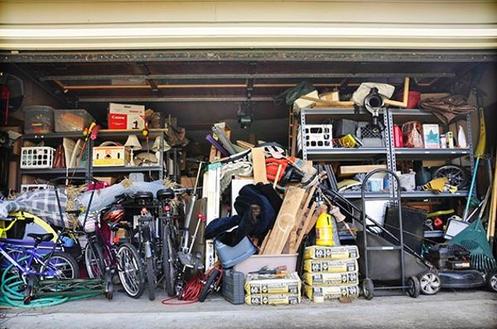
A typical appliance removal visit may include loose household items, larger pieces, boxed material, and sorted loads waiting in a garage or side yard. The exact scope is confirmed before work begins, so customers know what will be handled and what preparation is useful. On any removal job, clear expectations help prevent surprises and keep the property protected from avoidable scrapes or clutter.
The value of the job is not limited to transportation. It also includes planning the route through the property, identifying fragile surfaces, keeping usable items separate from damaged material, and checking the final area before departure. Customers in the Omaha metro area can use the same service for a single difficult item or a broader cleanup that needs several coordinated loads.
- A scope review tailored to the job, with attention to appliance removal
- An access route planned for the job in the Omaha metro area.
- Careful handling of bulky or awkward material during the job.
- Sorting guidance for reusable, recyclable, and final-disposal items.
- A final walk-through after the loading area is cleared.
What the job includes
Customers can make the visit smoother by grouping similar items, clearing a walkway, and deciding in advance whether any reusable pieces should be set aside. This is particularly useful for the job in the Omaha metro area, because a visible plan reduces repeated handling and helps the crew keep recyclable or donation-ready material from being mixed with final disposal.
- Describe the project: Share the type and approximate volume of material you want removed. This keeps the visit focused from the start.
- Prepare the route: For the job, keep the path from the storage area to the vehicle open and point out property details.
- Load with care: During the job, the crew works through the agreed scope in an order that suits the space and material.
- Review the result: After the job, check the cleared area and confirm that the remaining items are where you want them.
Planning the work in the Omaha metro area
The finished result should be more than an empty pile. It should be a room, driveway, office, or work zone that can be used again. Once the space is clear, customers in the Omaha metro area can plan the next step with less clutter, better visibility, and a clear understanding of what was removed and where the remaining items belong.
If the project grows while you are sorting, describe the additional material before loading begins. A flexible scope makes it easier to keep the visit safe and efficient. That practical communication is one of the simplest ways to get a better outcome from the job without adding unnecessary handling or delay.
Gas vs. Electric and the Vent Behind It
Dryers are lighter than most people expect, especially compared to a washer, but they come with connections that need attention first. The type you have determines what has to happen before we lift it.
- Electric dryers plug into a large 240-volt outlet. Unplugging it is usually all that is needed, though in tight laundry closets the cord can be hard to reach.
- Gas dryers connect to a gas line with a flexible connector. The gas should be shut off at the valve and the line capped before the dryer is pulled out. If you are not comfortable doing that, have a plumber or your gas utility handle it.
Then there is the vent hose. Old foil or vinyl vent ducts tend to be packed with lint, and pulling the dryer away from the wall often spills it everywhere. We disconnect the duct carefully and bag the lint, which is a fire hazard and should not just be swept behind the next machine.
Stacked washer-dryer units need to be separated before moving, which takes a couple of screws and two people to lift the dryer off the top safely. Dryers in basements or second-floor laundry rooms are a stair carry, so let us know where yours is.
Once out, a dryer goes to metal recycling. There is no refrigerant in a dryer, so it is a more straightforward scrap item than a fridge or freezer. A working dryer that is simply being replaced is worth mentioning; those can sometimes go on to reuse instead.
Need help with a removal project? Contact the team to outline the material and preferred timing.
For a project in the Omaha metro area, call (402) 555-0147 or use the contact page to share the project details.