Omaha metro area service guide
E-Waste Removal
A clean, usable space often starts with one practical decision: choosing a removal plan that fits the property, the material, and the time available. E-Waste Removal gives homeowners, landlords, and local businesses a clear way to move unwanted items out without turning a simple project into a week-long disruption.
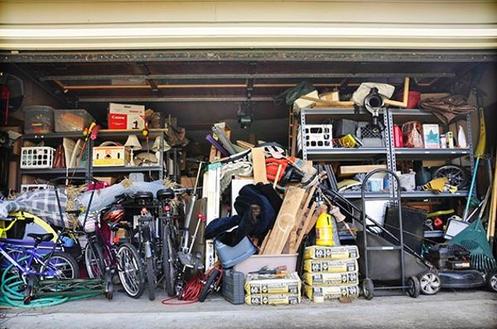
Planning E-Waste Removal in the Omaha metro area
The value of the job is not limited to transportation. It also includes planning the route through the property, identifying fragile surfaces, keeping usable items separate from damaged material, and checking the final area before departure. Customers in the Omaha metro area can use the same service for a single difficult item or a broader cleanup that needs several coordinated loads.
This service is useful for recycling and responsible material handling when items are too bulky for a personal vehicle, unsuitable for a regular curbside bin, or simply too numerous to manage alone. The crew can review the load, separate obvious material groups, and choose a practical order for carrying everything out. That approach is especially helpful in the Omaha metro area, where homes and commercial spaces can have very different access conditions.
- A scope review tailored to the job, with attention to recycling and responsible material handling
- An access route planned for the job in the Omaha metro area.
- Careful handling of bulky or awkward material during the job.
- Sorting guidance for reusable, recyclable, and final-disposal items.
- A final walk-through after the loading area is cleared.
A practical recycling and responsible material handling process
Before the appointment, place small loose items into sturdy boxes or bags, remove personal papers, and point out anything that must stay. If the work area is inside a building, unlock gates and keep a clear path from the material to the loading point. These small steps let the team spend more time on recycling and responsible material handling and less time sorting around preventable obstacles.
- Describe the project: Share the type and approximate volume of material you want removed. This keeps the visit focused from the start.
- Prepare the route: For the job, keep the path from the storage area to the vehicle open and point out property details.
- Load with care: During the job, the crew works through the agreed scope in an order that suits the space and material.
- Review the result: After the job, check the cleared area and confirm that the remaining items are where you want them.
Why customers choose this service
If the project grows while you are sorting, describe the additional material before loading begins. A flexible scope makes it easier to keep the visit safe and efficient. That practical communication is one of the simplest ways to get a better outcome from the job without adding unnecessary handling or delay.
A well-managed removal should feel simple from the customer’s side: agree on the scope, confirm access, let the crew do the heavy work, and walk through the cleared area at the end. On any removal job, that final walkthrough is a useful moment to check corners, shelves, floors, and the route used for loading.
What Counts as E-Waste and Why It Is Handled Separately
The term covers more than people expect. Anything with a circuit board, a battery or a power cord is generally treated as electronic waste, and the list goes well beyond computers:
- Televisions of every kind, especially old tube sets.
- Printers, scanners, fax machines and copiers.
- Game consoles, DVD players, stereo receivers and speakers.
- Small appliances with electronics, like microwaves and coffee makers with digital controls.
- Cell phones, tablets, cords, chargers and power strips.
These items are handled separately because they contain things that do not belong in the ground: lead in older glass screens, heavy metals in circuit boards and lithium in rechargeable batteries. Lithium batteries also start fires in garbage trucks and transfer stations when they get crushed, which is a real reason they should never be thrown in a household bin.
When you gather e-waste for pickup, a few habits help. Take loose batteries out of devices and tape over the terminals. Keep cracked screens in a box so the glass does not scatter. Bag cords and chargers together instead of leaving them tangled in a pile.
For anything that held personal information, like phones, laptops and external drives, wipe or remove the storage first. Once it is on our truck, it heads to an electronics recycler that breaks it down into metals, plastics and glass.
For a straightforward recycling and responsible material handling plan for the job in the Omaha metro area, send the project details and arrange a convenient visit.
For a project in the Omaha metro area, call (402) 555-0147 or use the contact page to share the project details.