Omaha metro area service guide
Demolition Waste Removal
Every removal project has its own rhythm. The volume may be modest, access may be tight, or several rooms may need attention at once. This guide to Demolition Waste Removal explains how a focused crew can organize the work, protect the property, and leave the space ready for its next purpose.
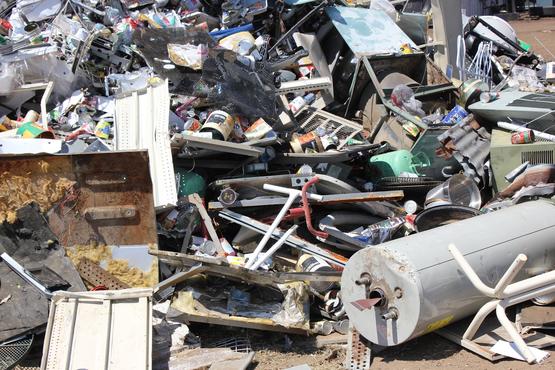
A practical construction debris cleanup process for Demolition Waste Removal
This service is useful for construction debris cleanup when items are too bulky for a personal vehicle, unsuitable for a regular curbside bin, or simply too numerous to manage alone. The crew can review the load, separate obvious material groups, and choose a practical order for carrying everything out. That approach is especially helpful in the Omaha metro area, where homes and commercial spaces can have very different access conditions.
A typical construction debris cleanup visit may include loose household items, larger pieces, boxed material, and sorted loads waiting in a garage or side yard. The exact scope is confirmed before work begins, so customers know what will be handled and what preparation is useful. On any removal job, clear expectations help prevent surprises and keep the property protected from avoidable scrapes or clutter.
- A scope review tailored to the job, with attention to construction debris cleanup
- An access route planned for the job in the Omaha metro area.
- Careful handling of bulky or awkward material during the job.
- Sorting guidance for reusable, recyclable, and final-disposal items.
- A final walk-through after the loading area is cleared.
Why customers choose this service
A few minutes of preparation makes the job more predictable. Mark fragile furniture, identify narrow doorways, move vehicles that block the loading route, and mention stairs or low ceilings when requesting a quote. If weather is poor, protect items that should remain dry and choose a safe staging spot near the entrance.
- Describe the project: Share the type and approximate volume of material you want removed. This keeps the visit focused from the start.
- Prepare the route: For the job, keep the path from the storage area to the vehicle open and point out property details.
- Load with care: During the job, the crew works through the agreed scope in an order that suits the space and material.
- Review the result: After the job, check the cleared area and confirm that the remaining items are where you want them.
What the job includes
A well-managed removal should feel simple from the customer’s side: agree on the scope, confirm access, let the crew do the heavy work, and walk through the cleared area at the end. On any removal job, that final walkthrough is a useful moment to check corners, shelves, floors, and the route used for loading.
The finished result should be more than an empty pile. It should be a room, driveway, office, or work zone that can be used again. Once the space is clear, customers in the Omaha metro area can plan the next step with less clutter, better visibility, and a clear understanding of what was removed and where the remaining items belong.
Heavy, Sharp and Dusty: Hauling Demo Debris
Demolition debris is the opposite of most junk removal. Furniture is bulky but light; demo waste is compact but heavy. Plaster and lath, tile with mortar still attached, broken concrete and wet drywall can max out a truck's weight capacity while the bed still looks half empty. That is the first thing we plan around on any demo job.
The second is safety. Lumber from walls and floors is full of nails, screws and staples. Broken tile and glass have edges that cut through thin bags. We load with gloves and boots, use heavy-duty bags or bins for small debris, and stack long boards so nails face down.
What helps on a demo cleanup:
- Separate when you can. Keeping concrete and masonry apart from wood and drywall makes disposal easier, since some materials go to different places.
- Tell us about older materials. Homes built before the 1980s may have asbestos in floor tile, pipe insulation or some textured ceilings, and lead in old paint. Suspect material needs testing and a licensed abatement contractor, not a junk crew.
- Keep the pile reachable. Debris stacked near the driveway or a garage door loads much faster than debris spread through a gutted house.
We work well alongside contractors and DIY remodelers. Haul-offs can be scheduled at stages of a project so debris does not pile up and get in the way of the next phase of work.
Ready to discuss your project? Request a clear estimate for the work and access conditions.
For a project in the Omaha metro area, call (402) 555-0147 or use the contact page to share the project details.