How to Prepare for a Junk Removal Pickup · Omaha field guide
How to Prepare for a Junk Removal Pickup
A removal appointment is easier when the property, the items, and the access route are ready before the truck arrives. Preparation does not mean lifting everything yourself. It means making decisions early so the crew can work safely, protect the home, and finish the agreed scope without unnecessary pauses.
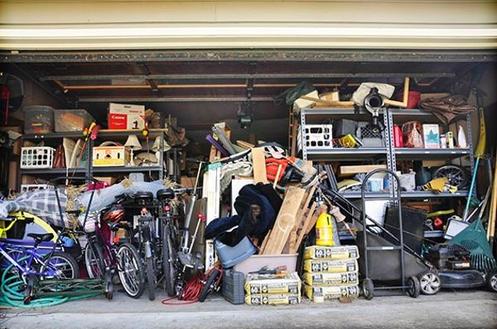
Start with a simple room-by-room plan
Walk through the property with a notebook or phone and list what is leaving from each room. Separate definite removals from items that still need a family decision. Mark anything fragile, heavy, sharp, wet, or difficult to reach. This first pass prevents last-minute confusion and gives the crew a useful picture of the project before loading begins.
A good list also reveals the best order of work. Furniture near the door may leave first, while small boxes can be handled after larger pieces create a clear path. If several rooms are involved, label each group by location rather than creating one large mixed pile. That small distinction helps the team return items to the right staging area and makes the final walkthrough much easier.
Make access safe and visible
Open gates, unlock doors, and keep a walkway clear from the collection area to the vehicle. Move cars, bicycles, planters, and loose tools that narrow the route. If the crew will use stairs, a basement entrance, or a shared hallway, mention those details when arranging the visit. Knowing the route in advance helps everyone choose a safer carrying pattern.
Protect the surfaces that matter most. Use a mat near a muddy entrance, remove small rugs that can slide, and tell the crew about freshly painted walls or delicate flooring. Outdoor items should be grouped where rain will not damage reusable material. Good access is not about making the property look perfect; it is about giving heavy items a predictable path.
Decide what should be reused or recycled
Before pickup, look for pieces that are clean, complete, and likely to help someone else. Keep donation-ready items dry and separate from broken material. Cardboard, metal, electronics, and appliances may need different handling, so grouping them early makes sorting more accurate. Remove personal documents, labels, and data from anything that could contain private information.
Do not force an item into a donation pile simply because it is familiar. Water damage, pests, exposed wiring, missing safety parts, or severe damage can make a piece unsuitable for reuse. A clear description lets the removal team explain the next step and keeps the load honest from the beginning.
Use the appointment as a final check
When the main load is gone, walk through the rooms slowly. Look behind doors, under workbenches, along garage walls, and around the original staging area. This is the right time to mention a small item that was overlooked rather than discovering it after the vehicle leaves. A final check also confirms that the space is ready for cleaning, painting, storage, or a new use.
Preparation works best when it reduces decisions on pickup day without creating extra work for the customer. A short list, a clear route, and a few thoughtful sorting choices are usually enough to make the appointment calm and efficient.
How to Prepare for a Junk Removal Pickup checklist
The strongest preparation plan is the one that leaves the customer feeling informed rather than rushed. Keep the list visible, explain unusual access conditions, and leave room for a final question before loading starts. Those habits make a pickup easier to coordinate and give the cleared space a better chance of staying organized after the truck has gone.
- Write one removal list for each room or outdoor zone.
- Clear the route and point out stairs, gates, and delicate surfaces.
- Separate reusable, recyclable, and final-disposal material.
- Remove papers, labels, and stored data from personal items.
- Keep a few minutes for the final walkthrough.
| Step | Focus | Result |
|---|---|---|
| 1 | Start with a simple room-by-room plan | Make the first safe decision |
| 2 | Make access safe and visible | Keep the route clear |
| 3 | Decide what should be reused or recycled | Sort with care |
| 4 | Use the appointment as a final check | Review the finished space |
How to Prepare for a Junk Removal Pickup next steps
For local removal help, visit the contact page or explore junk removal services in the Omaha area.