Eastern Nebraska service guide
Arlington, NE Junk Removal & Hauling
Every removal project has its own rhythm. The volume may be modest, access may be tight, or several rooms may need attention at once. This guide to Arlington, NE Junk Removal & Hauling explains how a focused crew can organize the work, protect the property, and leave the space ready for its next purpose.
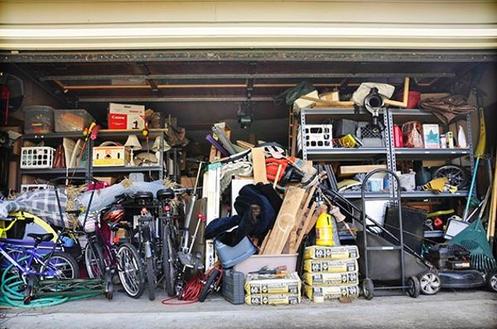
A practical junk removal and hauling process for Arlington, NE Junk Removal & Hauling
A typical junk removal and hauling visit may include loose household items, larger pieces, boxed material, and sorted loads waiting in a garage or side yard. The exact scope is confirmed before work begins, so customers know what will be handled and what preparation is useful. On any removal job, clear expectations help prevent surprises and keep the property protected from avoidable scrapes or clutter.
The value of the job is not limited to transportation. It also includes planning the route through the property, identifying fragile surfaces, keeping usable items separate from damaged material, and checking the final area before departure. Customers in eastern Nebraska can use the same service for a single difficult item or a broader cleanup that needs several coordinated loads.
- A scope review tailored to the job, with attention to junk removal and hauling
- An access route planned for the job in eastern Nebraska.
- Careful handling of bulky or awkward material during the job.
- Sorting guidance for reusable, recyclable, and final-disposal items.
- A final walk-through after the loading area is cleared.
Why customers choose this service
Customers can make the visit smoother by grouping similar items, clearing a walkway, and deciding in advance whether any reusable pieces should be set aside. This is particularly useful for the job in eastern Nebraska, because a visible plan reduces repeated handling and helps the crew keep recyclable or donation-ready material from being mixed with final disposal.
- Describe the project: Share the type and approximate volume of material you want removed. This keeps the visit focused from the start.
- Prepare the route: For the job, keep the path from the storage area to the vehicle open and point out property details.
- Load with care: During the job, the crew works through the agreed scope in an order that suits the space and material.
- Review the result: After the job, check the cleared area and confirm that the remaining items are where you want them.
What the job includes
The finished result should be more than an empty pile. It should be a room, driveway, office, or work zone that can be used again. Once the space is clear, customers in eastern Nebraska can plan the next step with less clutter, better visibility, and a clear understanding of what was removed and where the remaining items belong.
If the project grows while you are sorting, describe the additional material before loading begins. A flexible scope makes it easier to keep the visit safe and efficient. That practical communication is one of the simplest ways to get a better outcome from the job without adding unnecessary handling or delay.
Planning a Truck Run Out to Arlington
Arlington is a small Washington County town northwest of Omaha, and a lot of the work there is not in town at all. It is on farmsteads and acreages spread along the gravel roads around it, which changes how we plan the day.
The drive out of the city means we try to bundle Arlington jobs with other stops in that direction rather than sending a truck out for a single couch. If your schedule is flexible by a day or two, mention it. It makes the route work better for everyone.
Access is the other big factor. Things worth telling us before we come:
- Driveway surface and length. Long gravel lanes are fine in dry weather. After a heavy rain or during spring thaw, soft ground near a barn or machine shed can stop a loaded truck.
- Where the junk actually is. In a house, a garage, a pole barn, a hay loft, or out by the tree line? Distance from where the truck can park affects time on site.
- Gates and livestock. If animals are in a lot we need to cross, we need to know who handles the gate.
Outbuilding cleanouts out here often turn up old tires, rolls of fencing, scrap iron and bags of feed or chemicals. Mention anything with liquids or old pesticides up front, because those go through different disposal channels than ordinary junk.
Need help with a removal project? Contact the team to outline the material and preferred timing.
For a project in eastern Nebraska, call (402) 555-0147 or use the contact page to share the project details.