Garage Cleanout Checklist: A Safer, More Usable Space · Omaha field guide
Garage Cleanout Checklist: A Safer, More Usable Space
A garage cleanout is easier when it is treated as a series of small zones instead of one overwhelming pile. The goal is not simply to fill a truck. It is to regain a safe walkway, identify what still serves the household, and create enough open space for parking, storage, repairs, or a new project.
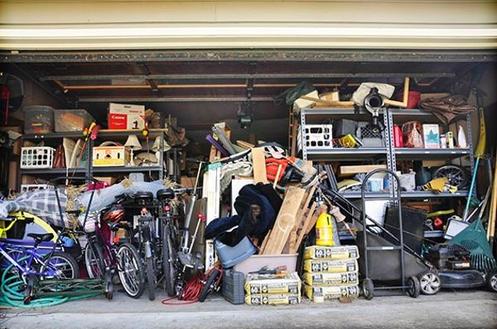
Begin with the access lane
Open the main door and identify the path a person needs to use safely. Remove loose cords, unstable boxes, leaking containers, and items that block the electrical panel or water shutoff. This first lane becomes the working route for the rest of the cleanout and gives you a clear place to pause if the project takes more than one day.
Do not stack items higher simply to get them out of the way. Tall, leaning piles can fall when a single box is pulled from the bottom. Keep heavy pieces low, protect sharp edges, and separate anything with a leak, odor, pest damage, or exposed wiring before it is moved farther into the garage.
Work by wall, shelf, or cabinet
Choose one zone and finish it before opening another. A wall of tools, a seasonal shelf, a sports corner, and a workbench each require different decisions. Group similar items on a clean tarp or table, then decide what stays, what can be given away, what should be recycled, and what needs removal. This approach makes progress visible and keeps the floor from becoming a second sorting pile.
Use a simple rule for uncertain items: if it has not been used in years, is incomplete, or no longer fits the household, place it in a review group with a deadline. A decision date prevents the review group from becoming permanent storage and helps the family agree without making every choice in the middle of heavy lifting.
Handle tools, chemicals, and equipment carefully
Garages often contain more than furniture and boxes. Paint, fuel, batteries, cleaners, lawn equipment, propane cylinders, and sharp tools need clear descriptions before a removal visit. Keep liquids upright, avoid mixing containers, and never place leaking or unlabeled chemicals into ordinary boxes. When a material needs a special route, early notice is safer than guessing.
Inspect equipment for fuel, cords, blades, and trapped debris before moving it. Drainage and handling requirements vary by item, so describe the condition rather than assuming that a familiar piece is ordinary household junk. Good information keeps the cleanout focused and avoids unnecessary handling.
Finish with a usable layout
After the unwanted material leaves, sweep the main route and look at how the remaining items are arranged. Frequently used tools should be reachable without moving three boxes. Seasonal storage can go higher or farther back, while emergency shutoffs and electrical equipment should remain visible. A clean garage stays cleaner when the layout supports the way the household actually uses it.
Leave a small buffer around doors, vehicles, work surfaces, and storage shelves. That open space makes future sorting possible and prevents the next delivery or repair project from turning into another full cleanout.
Garage Cleanout Checklist: A Safer, More Usable Space checklist
The best garage reset leaves enough open space for the next season, repair, delivery, or family project. Keep the route to utilities visible, store heavy items where they can be reached safely, and avoid rebuilding a wall of forgotten boxes. A little structure at the end is what turns a one-time cleanout into a lasting improvement.
- Open a safe walking lane before moving heavy items.
- Finish one wall, shelf, or cabinet at a time.
- Separate reuse, recycling, disposal, and review groups.
- Describe chemicals, batteries, fuel, and damaged equipment before pickup.
- Plan the final layout so everyday items remain accessible.
| Step | Focus | Result |
|---|---|---|
| 1 | Begin with the access lane | Make the first safe decision |
| 2 | Work by wall, shelf, or cabinet | Keep the route clear |
| 3 | Handle tools, chemicals, and equipment carefully | Sort with care |
| 4 | Finish with a usable layout | Review the finished space |
Garage Cleanout Checklist: A Safer, More Usable Space next steps
For local removal help, visit the contact page or explore junk removal services in the Omaha area.