Monitor Recycling · the Omaha metro area service guide
Monitor Recycling
A clean, usable space often starts with one practical decision: choosing a removal plan that fits the property, the material, and the time available. Monitor Recycling gives homeowners, landlords, and local businesses a clear way to move unwanted items out without turning a simple project into a week-long disruption.
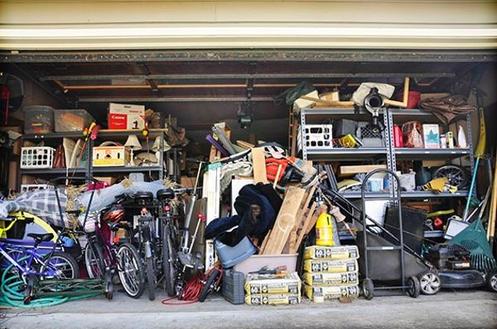
Planning Monitor Recycling in the Omaha metro area
The value of Monitor Recycling is not limited to transportation. It also includes planning the route through the property, identifying fragile surfaces, keeping usable items separate from damaged material, and checking the final area before departure. Customers in the Omaha metro area can use the same service for a single difficult item or a broader cleanup that needs several coordinated loads.
Monitor Recycling is useful for recycling and responsible material handling when items are too bulky for a personal vehicle, unsuitable for a regular curbside bin, or simply too numerous to manage alone. The crew can review the load, separate obvious material groups, and choose a practical order for carrying everything out. That approach is especially helpful in the Omaha metro area, where homes and commercial spaces can have very different access conditions.
- A scope review tailored to Monitor Recycling, with attention to recycling and responsible material handling
- An access route planned for Monitor Recycling in the Omaha metro area.
- Careful handling of bulky or awkward material during Monitor Recycling.
- Sorting guidance for reusable, recyclable, and final-disposal items in Monitor Recycling.
- A final walk-through after the Monitor Recycling loading area is cleared.
A practical recycling and responsible material handling process for Monitor Recycling
Before the Monitor Recycling appointment, place small loose items into sturdy boxes or bags, remove personal papers, and point out anything that must stay. If the work area is inside a building, unlock gates and keep a clear path from the material to the loading point. These small steps let the team spend more time on recycling and responsible material handling and less time sorting around preventable obstacles.
- Describe the project: Share the type and approximate volume of material connected to Monitor Recycling. This keeps Monitor Recycling focused from the start.
- Prepare the route: For Monitor Recycling, keep the path from the storage area to the vehicle open and point out property details.
- Load with care: During Monitor Recycling, the crew works through the agreed scope in an order that suits the space and material.
- Review the result: After Monitor Recycling, check the cleared area and confirm that the remaining items are where you want them.
Why customers choose Monitor Recycling
If the project grows while you are sorting, describe the additional material before loading begins. A flexible scope makes it easier to keep the visit safe and efficient. That practical communication is one of the simplest ways to get a better outcome from Monitor Recycling without adding unnecessary handling or delay.
A well-managed removal should feel simple from the customer’s side: agree on the scope, confirm access, let the crew do the heavy work, and walk through the cleared area at the end. For Monitor Recycling, that final walkthrough is a useful moment to check corners, shelves, floors, and the route used for loading.
For a straightforward recycling and responsible material handling plan for Monitor Recycling in the Omaha metro area, send the project details and arrange a convenient visit.
For Monitor Recycling in the Omaha metro area, call (402) 555-0147 or use the contact page to share the project details.