Omaha metro area service guide
Foreclosure Cleanouts
Every removal project has its own rhythm. The volume may be modest, access may be tight, or several rooms may need attention at once. This guide to Foreclosure Cleanouts explains how a focused crew can organize the work, protect the property, and leave the space ready for its next purpose.
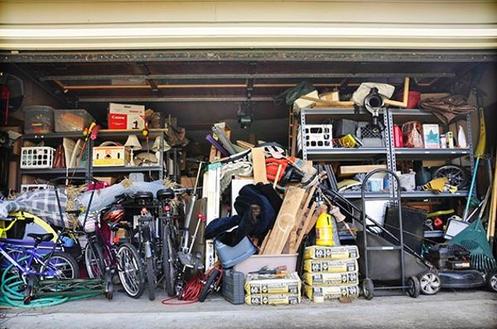
A practical property cleanout service process for Foreclosure Cleanouts
A typical property cleanout service visit may include loose household items, larger pieces, boxed material, and sorted loads waiting in a garage or side yard. The exact scope is confirmed before work begins, so customers know what will be handled and what preparation is useful. On any removal job, clear expectations help prevent surprises and keep the property protected from avoidable scrapes or clutter.
The value of the job is not limited to transportation. It also includes planning the route through the property, identifying fragile surfaces, keeping usable items separate from damaged material, and checking the final area before departure. Customers in the Omaha metro area can use the same service for a single difficult item or a broader cleanup that needs several coordinated loads.
- A scope review tailored to the job, with attention to property cleanout service
- An access route planned for the job in the Omaha metro area.
- Careful handling of bulky or awkward material during the job.
- Sorting guidance for reusable, recyclable, and final-disposal items.
- A final walk-through after the loading area is cleared.
Why customers choose this service
Customers can make the visit smoother by grouping similar items, clearing a walkway, and deciding in advance whether any reusable pieces should be set aside. This is particularly useful for the job in the Omaha metro area, because a visible plan reduces repeated handling and helps the crew keep recyclable or donation-ready material from being mixed with final disposal.
- Describe the project: Share the type and approximate volume of material you want removed. This keeps the visit focused from the start.
- Prepare the route: For the job, keep the path from the storage area to the vehicle open and point out property details.
- Load with care: During the job, the crew works through the agreed scope in an order that suits the space and material.
- Review the result: After the job, check the cleared area and confirm that the remaining items are where you want them.
What the job includes
The finished result should be more than an empty pile. It should be a room, driveway, office, or work zone that can be used again. Once the space is clear, customers in the Omaha metro area can plan the next step with less clutter, better visibility, and a clear understanding of what was removed and where the remaining items belong.
If the project grows while you are sorting, describe the additional material before loading begins. A flexible scope makes it easier to keep the visit safe and efficient. That practical communication is one of the simplest ways to get a better outcome from the job without adding unnecessary handling or delay.
Clearing a Property That Was Left Behind
A foreclosure cleanout is usually requested by someone who has never lived in the house: a bank, a property manager, an investor or a realtor. That means the person ordering the job often has not seen everything inside, and the first walk-through can turn up surprises.
Typical things we find in a vacated property:
- Furniture and personal items left behind in every room.
- Food in the refrigerator that has been off for weeks, which can mean the fridge itself is a loss.
- Garage and basement storage nobody has gone through.
- Yard debris and trash piled outside.
Before we remove anything, the person hiring us needs to confirm they have the legal right to clear the property and that any required waiting periods for the former occupant's belongings have passed. That is a legal question, not a hauling one, so it should be settled by the bank, attorney or manager first.
On site, we work room by room and take photos of the before and after condition if you want a record. Important-looking papers, photos or documents get set aside rather than tossed, in case they need to be returned.
Vacant homes can also come with mold, pests or broken glass, so we wear gloves and masks and check floors before moving heavy items. Access details, like lockbox codes and whether utilities are on, help us plan, since a dark house with no power slows everything down.
Need help with a removal project? Contact the team to outline the material and preferred timing.
For a project in the Omaha metro area, call (402) 555-0147 or use the contact page to share the project details.