Omaha and nearby communities service guide
Choosing a Demolition Contractor in Omaha
Every removal project has its own rhythm. The volume may be modest, access may be tight, or several rooms may need attention at once. This guide to Choosing a Demolition Contractor in Omaha explains how a focused crew can organize the work, protect the property, and leave the space ready for its next purpose.
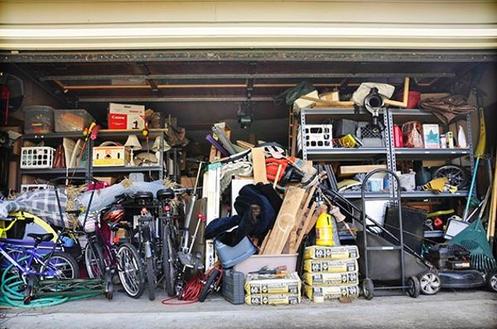
A practical construction debris cleanup process for Choosing a Demolition Contractor in Omaha
The value of the job is not limited to transportation. It also includes planning the route through the property, identifying fragile surfaces, keeping usable items separate from damaged material, and checking the final area before departure. Customers in Omaha and nearby communities can use the same service for a single difficult item or a broader cleanup that needs several coordinated loads.
This service is useful for construction debris cleanup when items are too bulky for a personal vehicle, unsuitable for a regular curbside bin, or simply too numerous to manage alone. The crew can review the load, separate obvious material groups, and choose a practical order for carrying everything out. That approach is especially helpful in Omaha and nearby communities, where homes and commercial spaces can have very different access conditions.
- A scope review tailored to the job, with attention to construction debris cleanup
- An access route planned for the job in Omaha and nearby communities.
- Careful handling of bulky or awkward material during the job.
- Sorting guidance for reusable, recyclable, and final-disposal items.
- A final walk-through after the loading area is cleared.
Why customers choose this service
Before the appointment, place small loose items into sturdy boxes or bags, remove personal papers, and point out anything that must stay. If the work area is inside a building, unlock gates and keep a clear path from the material to the loading point. These small steps let the team spend more time on construction debris cleanup and less time sorting around preventable obstacles.
- Describe the project: Share the type and approximate volume of material you want removed. This keeps the visit focused from the start.
- Prepare the route: For the job, keep the path from the storage area to the vehicle open and point out property details.
- Load with care: During the job, the crew works through the agreed scope in an order that suits the space and material.
- Review the result: After the job, check the cleared area and confirm that the remaining items are where you want them.
What the job includes
If the project grows while you are sorting, describe the additional material before loading begins. A flexible scope makes it easier to keep the visit safe and efficient. That practical communication is one of the simplest ways to get a better outcome from the job without adding unnecessary handling or delay.
A well-managed removal should feel simple from the customer’s side: agree on the scope, confirm access, let the crew do the heavy work, and walk through the cleared area at the end. On any removal job, that final walkthrough is a useful moment to check corners, shelves, floors, and the route used for loading.
Questions to Ask Before Anyone Swings a Hammer
Demolition and junk removal overlap, but they are not the same trade, and it helps to know where the line falls before you hire anyone. Tearing out a whole structure, taking down load-bearing walls, or removing a building with utilities still connected is contractor territory. Pulling out a shed, a deck, old cabinets or carpet, and then hauling all of it away, is light demolition that a hauling crew can often handle.
When you talk to any demolition contractor, these questions sort things out quickly:
- Who handles permits? Larger demolition in Omaha generally needs a permit from the city, and the contractor should know the process.
- Who disconnects utilities? Gas, water and electric must be shut off and capped by the right people before work starts.
- Has the structure been checked for asbestos or lead paint? Older homes in established neighborhoods often warrant testing before materials are disturbed.
- Is debris hauling included? Some contractors only tear down and leave the pile.
- What about the site afterward? Ask about nails, concrete chunks and how the ground is left.
If the project is small or the contractor leaves debris behind, a junk crew can take over the haul-off. Get a clear written scope from whoever you hire so nobody assumes someone else is cleaning up.
For a straightforward construction debris cleanup plan for the job in Omaha and nearby communities, send the project details and arrange a convenient visit.
For a project in Omaha and nearby communities, call (402) 555-0147 or use the contact page to share the project details.